Category: Spices

  • Spices Import: Your Guide to Global Flavors

    Spices Import: Your Guide to Global Flavors

    Get Help 24/7

    +91 9112244405

    Spices Import: Your Guide to Global Flavors

    Spices import has shaped economies for centuries. Today, the international spice trade is a key part of global commerce. The UAE is a key hub, linking spice-rich areas with Middle Eastern markets. This guide offers steps for businesses to enter this market, blending tradition with modern strategies.

    Key Takeaways

    • UAE’s ports and free zones make it easy to join the $100+ billion international spice trade.
    • Old spice routes guide today’s supply chains for quality-focused businesses.
    • Following regulations is key to success in the competitive spices import field.
    • Top exporters like India and Vietnam offer a wide range of options for UAE importers.
    • Keeping up with market trends and ensuring quality are essential to stand out in global spice supply.

    The Global Spice Trade: An Overview

    For centuries, the international spice trade has shaped global economies. Ancient traders braved long voyages to bring back valuable spices like cinnamon and pepper. This drove exploration and colonization. Today, it connects farmers in tropical areas to consumers all over the world.
    Today, the market is growing steadily. The global spice sector is expected to hit $50 billion by 2025. This growth is due to more people wanting authentic flavors in their cooking and wellness products.
    India, Indonesia, and Vietnam are the biggest spice exporters, making up 60% of the market. Countries like the UAE, the US, and those in Europe are the biggest buyers. They look for high-quality spices for food, cosmetics, and medicines.


    Top Producers: India (black pepper, cumin), Indonesia (nutmeg, cloves)


    Key Markets: UAE, China, Germany


    Key Players: McCormick, Givaudan, and local UAE distributors


    In the UAE, importing spices from abroad is a great opportunity. The UAE’s location and free trade agreements make it easy to get into the Middle Eastern and global markets. Knowing when to import, like during Ramadan and Eid, can help businesses.
    New trends like organic spices and traceability systems are changing the industry. Understanding these changes is key for businesses to succeed in the international spice trade.

    Benefits of Importing Spices to the UAE

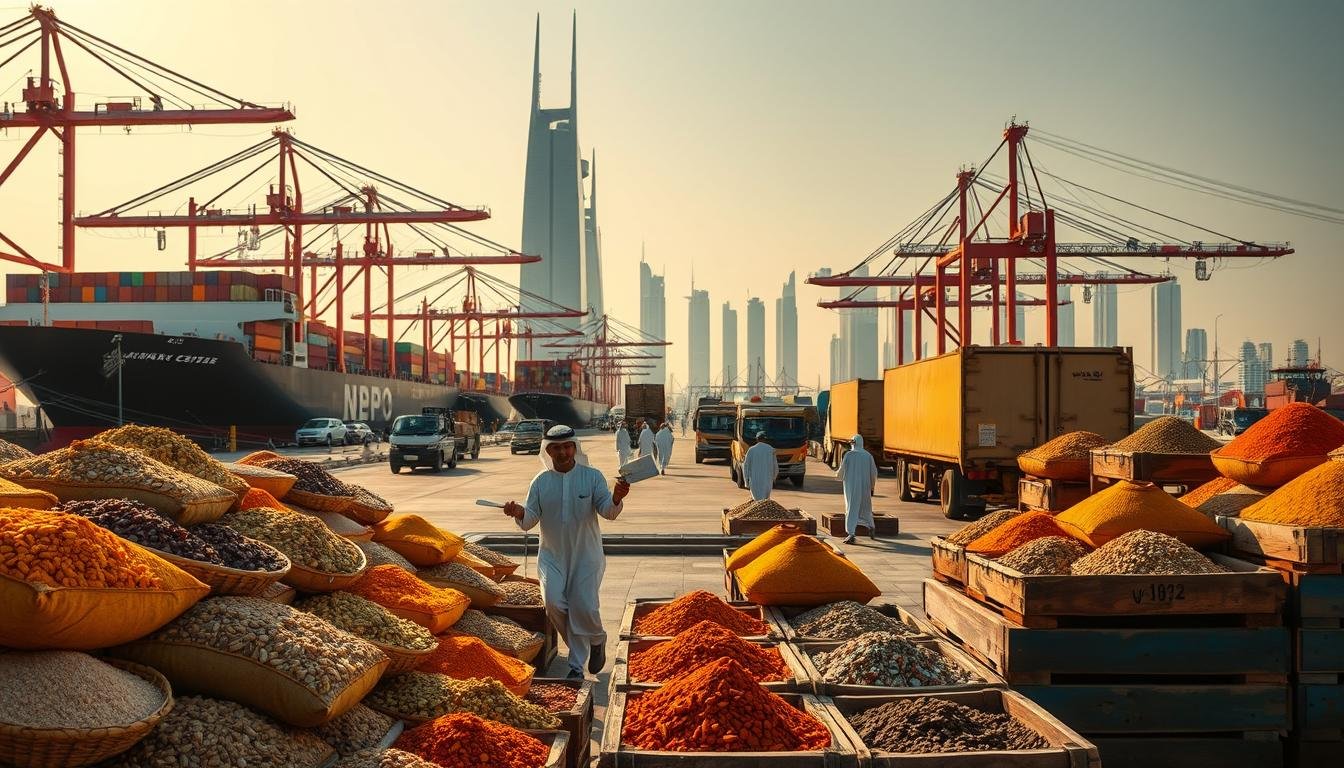
    Spice importers in the UAE find a booming market thanks to the country’s key trade spot. The UAE has no import duties on farm goods and free trade deals, cutting costs. Plus, top ports like Jebel Ali and Dubai World Central make shipping easy. This makes the UAE a key place for spice distributors to reach customers in the Middle East, Asia, and Europe.


    Tax advantages: No tariffs on spices lower costs for businesses.


    Logistics excellence: Dubai’s setup handles 30% of spice imports in the region.


    Cultural demand: The UAE’s diverse people want a wide range of spices, from Indian masalas to Indonesian cinnamon.


    Global reach: The UAE sends 65% of its spices to other countries, increasing profits.

    Spice distributors use the UAE to ship to over 50 countries. A Dubai-based distributor saw sales jump by 40% by using free zones. These areas offer storage and customs help, making things easier.
    The UAE’s tax-free status and trade connections open doors for spice importers. They can improve their supply chains and meet local and global needs. It’s a great place for growing a spice business.

    Conclusion: Building a Successful Spices Import Business in the UAE

    To succeed in the UAE spices import market, plan carefully and pay attention to details. Start by working with reliable global suppliers. Make sure you follow UAE trade rules and check quality closely.
    Building a strong network of spices distributors is key. This helps you reach out to retailers, restaurants, and customers easily.
    Focus on unique markets like organic spices or special blends to stand out. Getting certifications like USDA Organic or Fair Trade can attract health-focused buyers. Consider teaming up with local stores or online sites to grow your reach.
    Adding value through packaging or private labels can increase your profits. Keep up with trends like traceability and eco-friendly packaging. Watch for changes in what people want in terms of flavors and adjust your stock as needed.
    Start with popular items like saffron or black pepper. Then, you can grow your business. Always do your homework on the market and check your suppliers regularly to keep doing well.
    There are chances to sell both to businesses and directly to people. Use the UAE’s good location to sell to other countries when you’re ready. Being flexible is important to succeed in this fast-changing field.

    Tag Post :
    Share This :

    Recent Post

    Dont Hesitate To Contact Us

    Need any help or book a consultation, contact us.

    Crafted by Nature, Inspired by Tradition!

    Contact

    Plot No 71/A, Katol Road Near Palloti School, Suraj Nagar, Nagpur 440013

    Social Media

    No content is added yet.
  • Discover India’s Best Dry Red Chilli Exporter for Your Business

    Discover India’s Best Dry Red Chilli Exporter for Your Business

    Get Help 24/7

    +91 9112244405

    Discover India’s Best Dry Red Chilli Exporter for Your Business

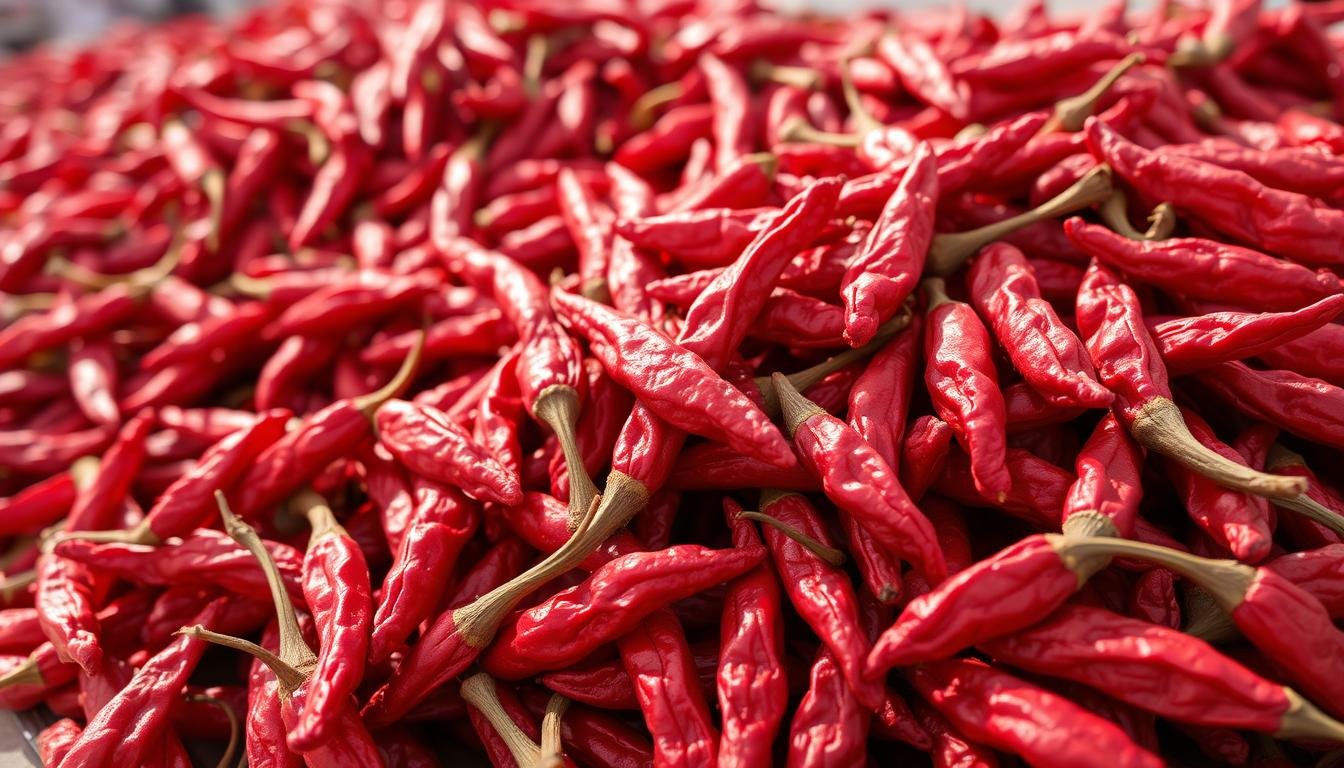
    India leads the world in dry red chilli exports, bringing vibrant flavors and consistent quality. The dry red chilli export from india industry is key in the global spice trade. It sends over 350,000 tons of chillies every year.
    Indian farmers grow premium chillies like Byadagi and Sannam. They do this in places like Telangana and Andhra Pradesh. These areas mix old farming ways with new tech to make sure the products are the best.

    As a leading red chilli exporter, India meets global standards for taste, smell, and shelf life. The $250 million market value shows how much the world wants these spices. Buyers looking for reliable suppliers should choose those with certifications and traceability systems. This ensures the products are consistent and safe.

    Key Takeaways

    • India dominates global dry red chilli trade with 35% market share.
    • Key regions like Telangana and Andhra Pradesh supply 60% of India’s total exports.
    • Indian chillies are prized for high capsaicin content and natural color retention.
    • Exporters with ISO 22000 and FSSAI certifications guarantee food safety compliance.
    • Annual export revenue exceeds $250 million, supporting 2 million farming households.

    The Growing Market for Dry Red Chilli Export from India

    India leads in global chilli exports, thanks to being the top red chilli producer india. The growth shows the success of farming strategies and the increasing demand worldwide. Andhra Pradesh and Karnataka are key players, thanks to their perfect climate and soil for growing chillies.

    Major Chilli Growing Regions in India

    Leading states play a big role in India’s export success:

    Andhra Pradesh: Known for Guntur Sannam, loved for its heat and taste.
    Karnataka: Famous for Byadgi chilli, prized for its aroma and color.
    Other areas like Maharashtra and Tamil Nadu also grow different types.

    Popular Indian Chilli Varieties for Export

    Exporters focus on top-quality varieties:

    • Guntur Sannam: Has 40,000-80,000 Scoville units, great for spice mixes.
    • Byadgi: Known for its dark color and fruity taste, perfect for pickles and sauces.
    • Kashmiri: Bright red color, used in paprikas and cosmetics.
    • Teja: High heat, ideal for hot sauce makers.

    Join us as we plant the seeds of change and nurture a world of growth and opportunity together.

    Conclusion: Partnering with the Right Indian Chilli Exporter

    Choosing a trusted bulk red chilli supplier means getting top-quality products. These products meet international standards. In India, leading dry red chilli makers offer a wide range, like Byadagi and Sannam. They have strong certification programs.
    Businesses should look for exporters with a track record in global markets. They should also have clear and open supply chains.
    Check if suppliers have certifications like FSSAI and ISO. Make sure their facilities follow safety rules. It’s key to know the quality standards and how they test products before buying in bulk.
    Good communication and quick customer service are important. They help avoid problems in international deals.
    When buying, talk about payment options like LC or advance payments. Make sure the shipping path is right for fragile goods. The packaging must meet global standards to keep goods fresh during travel.
    Contracts should clearly state when goods will arrive and what quality to expect. This protects both sides.
    Indian exporters are using new drying methods and organic farming. They offer unique varieties like Golmi and Bhut Jolokia. Working with certified makers lets you tap into these trends while keeping the supply chain reliable.
    Focus on building long-term partnerships. This way, you can benefit from India’s leading role in spice exports.

    Tag Post :
    Share This :

    Recent Post

    Dont Hesitate To Contact Us

    Need any help or book a consultation, contact us.

    Crafted by Nature, Inspired by Tradition!

    Contact

    Plot No 71/A, Katol Road Near Palloti School, Suraj Nagar, Nagpur 440013

    Social Media

    No content is added yet.

Get in touch with us!

Get in touch with us!

Get in touch with us!

Get in touch with us!

Get in touch with us!

Get in touch with us!